Online Casino Game Shows in the UK
 Available in GB
Hosts, studio presentation and broadcast-style pacing bring a performative, watchable dimension to games inside online casinos.
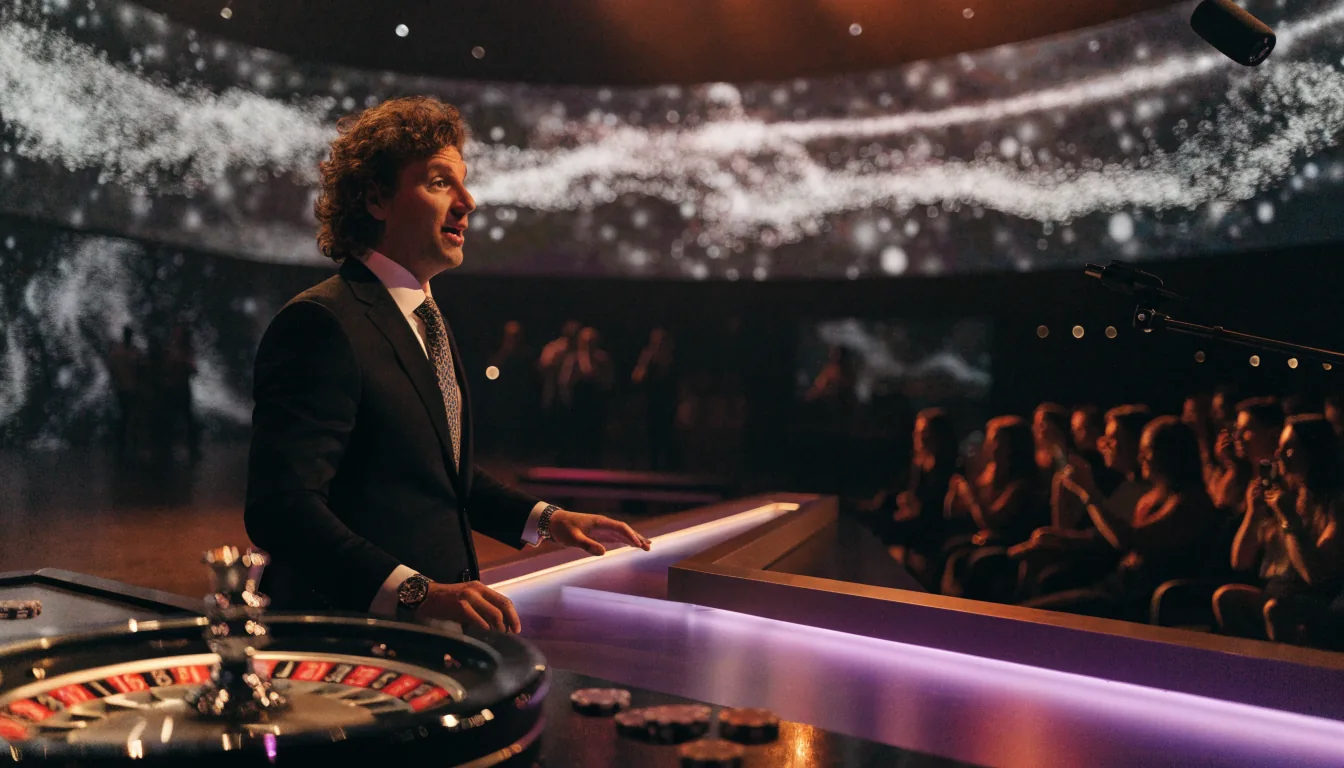
Table of Contents
- How Live Game Shows Fit Into Online Casinos
- The Casino Game Show as a Live Format
- Live Casino Game Shows in the UK
- What “Best” Can Mean in a Game-Show Casino
- Finding Live Game Shows Within an Online Casino
- How Distinctive Live-Show Formats Shape Play
- The Appeal of Live Game Shows in UK Casinos
- What Sets a Live Casino Game Show Apart
- The Live Game-Show Casino Experience
- Game Shows as Online Casino Entertainment
How Live Game Shows Fit Into Online Casinos
A casino lobby once suggested a catalogue: tables, machines, perhaps a row of familiar themes. Live game shows introduce a different kind of invitation. They borrow the outward language of television entertainment—presentation, anticipation, a host’s voice—and place it beside the casino’s traditional promise of chance. The result belongs to online gambling, but it does not look quite like a solitary game played against a silent screen.
That difference helps explain why live game shows have found room in online casinos. They offer an activity that can be watched as well as played. The host, the studio setting and the pace of a broadcast give the screen something to hold attention between decisions. A player may be following the action closely, or may experience the show more like a piece of entertainment unfolding in the background. Either way, the casino is no longer only a collection of buttons and outcomes. It becomes a place where a performance is part of the product.
The television resemblance is useful, though not complete. A televised game show generally gathers an audience around contestants and a presenter, with the viewer at home outside the action. In a casino setting, the person watching is also a participant in a game of chance. That overlap changes the meaning of the spectacle. Suspense is not merely something to enjoy from the sofa; it sits next to a wager and an outcome that matters to the player. Entertainment and gambling occupy the same frame, without becoming the same thing.
This is one reason the category feels different from the casino’s older visual vocabulary. A conventional table game often asks for attention to rules, choices and the movement of play. A game-show presentation can make the experience feel more immediately legible: a host speaks, an event happens, the result appears. Its appeal is not necessarily simplicity, since the underlying play still has its own terms. Rather, the format gives those terms a visible occasion. Something is happening in front of the player, not merely being calculated behind a graphic.

The format also draws on a familiar social habit. People have long watched contests together, anticipating an answer or an outcome before it arrives. Television made that ritual domestic; online casinos adapt it to an individual screen, where the player may be alone yet still watching a performance designed to feel public. The host’s presence can lend rhythm and address to an otherwise private activity. The screen supplies a small theatre. The audience may be dispersed, but the cues of a shared event remain.
That is not the same as claiming that every live show creates a community. A visible presenter cannot guarantee companionship, and a broadcast atmosphere does not turn a casino into a living room full of friends. The more modest point is that the format borrows social signals: a voice, a focal point, a sense of occasion. Online entertainment often tries to make private screen time feel less empty. Here, the method is unusually direct.
For casinos, the category also broadens what a lobby can mean. It can contain games whose appeal is not confined to the act of placing a wager. The spectacle itself provides a reason to stay with the screen, while the casino framework gives that spectacle a gambling context. This is a particular bargain between attention and chance. The show gives the game a face; the game gives the show stakes for the participant.
There is an old tension in that bargain. Game shows are associated with accessible entertainment, with rules explained aloud and outcomes staged for an audience. Casinos, by contrast, have historically made chance part of a private calculation: risk, reward, restraint. When the two forms meet online, the cheerful surface does not erase the gambling beneath it. Nor does the gambling necessarily erase the entertainment. Both remain present, and the player’s experience may shift between them from moment to moment.
That mixed identity helps place live game shows among the broader forms of casino entertainment without reducing them to a novelty. They are not simply television transplanted onto a website, because the participant’s relationship to the outcome is different. They are not merely another casino game with decorative scenery, because performance is central to how they present themselves. The category occupies the space between watching and playing, using the conventions of one to give shape to the other.

For audiences in the UK, the phrase “live game shows” therefore points to a recognisable kind of casino entertainment, not a single title or fixed set of rules. Its defining appeal lies in the combination: a live-presented event, a casino setting and the feeling that the next moment may change the course of play. The format is built to be seen as it happens. It gives chance a stage, and asks the screen to keep its audience there.
The Casino Game Show as a Live Format
A casino game show borrows the grammar of television entertainment and places it beside a wager. Its identity rests on that conjunction. There is a host, a visible sequence of events and a sense that something is unfolding in the present; there is also a casino game, with chance and money at its centre. Neither side quite disappears into the other. The result is not simply a conventional casino game with brighter lighting, nor a television programme in which the audience has no stake.
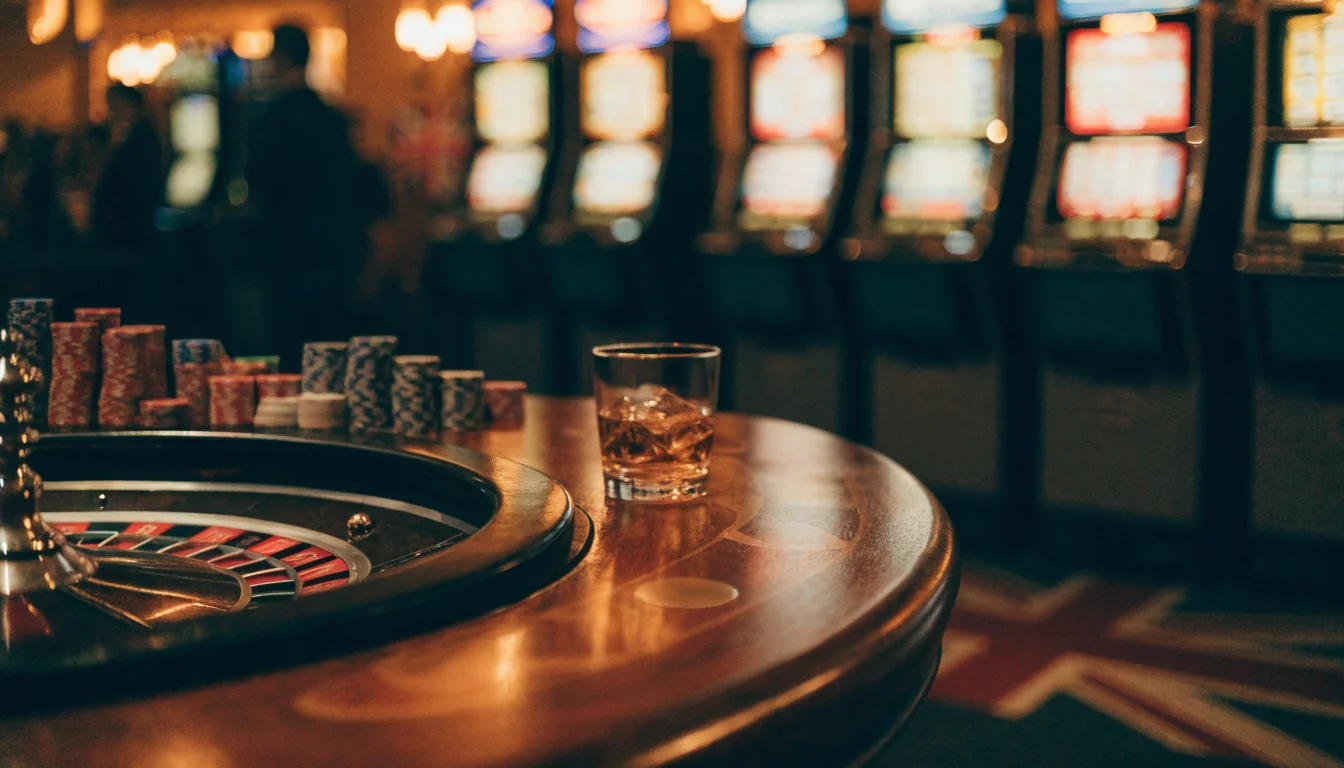
The word “live” matters because it gives the presentation a shared present tense. A recorded game can reproduce a set, a presenter and the pace of a broadcast, but it cannot offer the same impression of events being conducted as they happen. In a live casino game show, the performance is part of the play: the host introduces what is happening, marks transitions and gives the sequence a human voice. The spectacle has a beginning, a middle and an outcome, rather than appearing as a bare result on a screen.
That structure is familiar from television. Game shows have long made rules easier to follow by giving them a stage, a presenter and a rhythm. They turn procedure into an event. The casino version adapts that social form, but changes its stakes: chance is no longer only a source of suspense for viewers. It is bound to casino play. The television inheritance is visible; the purpose is different.
This distinction helps explain why the format can feel more legible than a game whose action is represented chiefly by symbols or a changing display. A presenter can signal when a round begins or ends, while the staging gives the events a sequence that can be watched. That does not make chance more predictable. It makes the experience easier to follow as a performance. Clarity of presentation and control over an outcome are separate things.
The format also changes where attention goes. In a more abstract casino game, the eye may follow symbols, counters or a mechanical animation. In a show-led game, attention can move between the presenter, the set and the changing game state. Those elements provide a social frame, even when participation remains individual. The viewer is not necessarily part of a studio audience, but the broadcast style borrows the feeling of a public occasion: an event arranged to be watched as well as played.

There is a small cultural bargain in that arrangement. Television game shows make chance and competition communal, or at least make them look communal. The casino borrows that warmth and ceremony, while retaining the private transaction of gambling. A familiar voice can make a digital interface feel less solitary; a polished set can make a wager feel like an episode. Yet the presentation does not alter the underlying nature of the activity. It is entertainment built around gambling, not a substitute for it.
That is why casino game shows resist a simple label. Calling them “games” emphasises rules and outcomes; calling them “shows” emphasises staging and personality. Both descriptions are true, but neither is complete on its own. The format depends on the tension between them: the spectacle invites attention, while the casino element gives the sequence a personal consequence. It is a hybrid, not a disguise.
Online, this hybrid is carried through a screen. The studio becomes a setting encountered remotely, and the presenter addresses a camera rather than a room of viewers gathered together. The live broadcast can preserve the cadence of a show even though its audience is dispersed. That is one reason the format feels different from a standard digital game: it gives a solitary screen a trace of shared time.
Still, production is not proof of fairness, and a confident presenter is not evidence about an outcome. The show’s language belongs to entertainment; the wager belongs to gambling. Keeping those ideas distinct makes the format easier to understand without mistaking its theatrical polish for a promise. The set may be inviting. The stakes remain real.
Live Casino Game Shows in the UK
A live game show in a casino lobby may borrow the language and staging of television, but its setting is remote gambling. That distinction matters in Britain: the screen can look like a studio, while the activity behind it falls within the country’s gambling framework. The format does not create a separate regulatory territory simply because it is presented as entertainment.
The UK Gambling Commission oversees gambling in the United Kingdom, including casino activity conducted online. For remote gambling offered to consumers in Great Britain, its reach does not depend on where the equipment supporting the service is physically located. A studio or server elsewhere does not, by itself, move an offering beyond the relevant framework. Geography of the machinery is not geography of the customer.
That principle gives UK live casino game shows their regulatory context. The Commission is the sole regulator for commercial gambling in Great Britain, rather than one authority among several competing national gambling regulators. Its role concerns the activity and the businesses involved in offering it; a game’s lively presentation does not make it an exception. The rules belong to the service, not to its set dressing.
Two kinds of licence
The Commission issues operating licences to businesses and personal licences to individuals working in specified roles in the gambling sector. These are different forms of permission, with different subjects: one concerns an organisation’s authority to conduct an activity, the other an individual’s suitability to perform relevant work. Treating them as interchangeable obscures who is accountable for what.
Issued to businesses, these licences grant an organisation the authority to conduct gambling activities.
Issued to individuals, these licences confirm a person’s suitability to perform specified roles within the gambling sector.
That structure also helps explain why a broadcast-style experience should not be judged only by what appears on screen. The visible host and studio are part of the presentation; the licensed business is the entity responsible for offering the remote gambling service. A polished performance may make the experience feel self-contained, but the regulatory relationship sits behind it.
The distinction is worth keeping in view because the word “live” can suggest that the rules follow the physical location of the people or equipment producing the show. For remote gambling offered to Great Britain consumers, that is not the deciding principle. The Commission’s remit applies regardless of where the key equipment is situated. A distant studio does not turn a service into a legal blank space.
Nor does the label “game show” alter the underlying category. A casino may present a game through a host-led, television-like format, but the presentation alone does not replace the operating framework that applies to commercial gambling. Entertainment language can soften the edges of an activity; it cannot redraw its regulatory map. A rather practical boundary.
The phrase “UK live casino game shows” therefore points to more than a style of online entertainment. It also describes a service offered in a market where the regulator has authority over gambling activity and where remote provision to Great Britain consumers remains within that authority despite equipment being elsewhere. The setting may be digital and the production may cross borders, but those facts do not erase the local regulatory question.
This is a framework-level distinction, not a judgement about the tone, quality or appeal of any particular show. The Commission’s remit establishes who regulates commercial gambling in Great Britain and the kinds of licences it issues to businesses and individuals. Within that structure, live casino shows remain part of remote gambling rather than a separate category beyond oversight.
What “Best” Can Mean in a Game-Show Casino
Choosing an online casino game show is easier when you know what to check before you play. This list offers a starting point for considering available options and payout speed.
Payout speed: 1-3 business days Revery Play lists a payout speed of 1–3 business days, a useful detail to consider when choosing a casino game show.
Payout speed: 1-3 business days Chanze lists a payout speed of 1–3 business days. This gives players a stated timeframe to factor into their choice.
Payout speed: 1-3 business days Amunbet lists a payout speed of 1–3 business days, offering a clear point of reference when considering its casino game shows.
Payout speed: 1-3 business days SpinFormula lists a payout speed of 1–3 business days. Players can keep this stated timeframe in mind when deciding whether it suits them.
Payout speed: 1-3 business days NightLuck lists a payout speed of 1–3 business days, a practical detail to note when exploring its casino game shows.
Payout speed: 1-3 business days Zombillion lists a payout speed of 1–3 business days. This stated timeframe may help players set expectations for payouts.
Payout speed: 1-3 business days BeOnBet lists a payout speed of 1–3 business days, giving players a specific timeframe to consider.
Payout speed: 1-3 business days EvoSpin lists a payout speed of 1–3 business days. This is the available detail to weigh when considering its casino game shows.
Payout speed: 1-3 business days Jetsetspins lists a payout speed of 1–3 business days, which provides a straightforward point of reference for players.
Payout speed: 1-3 business days NightWin lists a payout speed of 1–3 business days. Players can take this stated timeframe into account when choosing.
“Best” sounds like a verdict, but it often conceals a set of preferences. One person may value a show’s pace; another may prefer a calmer presentation or a format whose rules are easy to follow. A single ranking cannot settle those differences. It can only reveal the standards its maker chose to put first.
That matters when people look for the best online casino game shows in the UK. The phrase suggests a shelf of comparable titles, each waiting for a score. Yet a game-show casino experience is not judged by one property alone. Presentation, clarity, rhythm and the relationship between entertainment and wagering all shape how it is perceived. Treating these as interchangeable qualities makes a neat table, not necessarily a useful judgement.
A more careful comparison begins by asking what is being assessed. Is the interest in the show itself, the way its rules are explained, or how comfortably the casino presents it? Those questions belong to different layers. A lively production may hold attention without making its rules immediately clear; a restrained one may be easier to follow but less theatrical. Neither quality automatically makes one experience better. They answer different tastes.
- Assess if the information for participation is plainly conveyed
- Describe the experience and its specific rhythm
- Mistake theatrical polish for a promise of quality
- Turn personal preference into a universal standard
Clarity is a particularly practical measure. A format can be visually elaborate and still leave its central choices obscure. The useful question is not whether the presentation looks polished, but whether the information needed to understand participation is plainly conveyed. If that information takes second place to spectacle, the show may be memorable for the wrong reason. A little less glitter, perhaps.
Pace is similarly subjective. Some viewers enjoy a quick succession of events; others need time to absorb what is happening. Speed alone is not a mark of quality, just as a slower rhythm is not proof of depth. Comparison becomes more honest when it describes the experience rather than turning a preference into a universal standard. “Energetic” can be a fair description. “Best” is a larger claim.
The casino setting also complicates the word. A game-show title does not exist in isolation from the way it is presented within an online casino. The surrounding interface may affect how easy it is to understand the game’s place and move between its information and play. But that does not establish that one casino or title is superior. It identifies another factor that a comparison might examine, rather than supplying a ready-made winner.

There is also a difference between popularity and quality. Familiarity can make a format seem like the natural benchmark, while novelty may draw attention simply because it is new. Neither response tells much about whether the experience suits a particular audience. A fair account should separate what a format does from what a person happens to enjoy about it.
For that reason, lists labelled “best live casino game shows” can be read as editorial selections, not settled measurements. Their value depends on whether their criteria are visible and whether the descriptions support the verdicts. A ranking that offers only praise gives little basis for comparison. A careful assessment makes its preferences legible and leaves room for different conclusions.
The most useful meaning of “best” is therefore conditional: best for a particular appetite for pace, presentation or straightforward explanation. That is less tidy than a podium, but more truthful. The phrase can guide attention; it cannot make taste objective.
Finding Live Game Shows Within an Online Casino
A casino lobby is not merely a catalogue. It is a map of the operator’s idea of gambling: games are grouped, named and placed where the business expects people to look. Live game shows may sit in a dedicated live-games area, alongside table games, or under a separate heading for show-style entertainment. The arrangement differs from one casino to another, so the category can be easy to miss even when it is present.
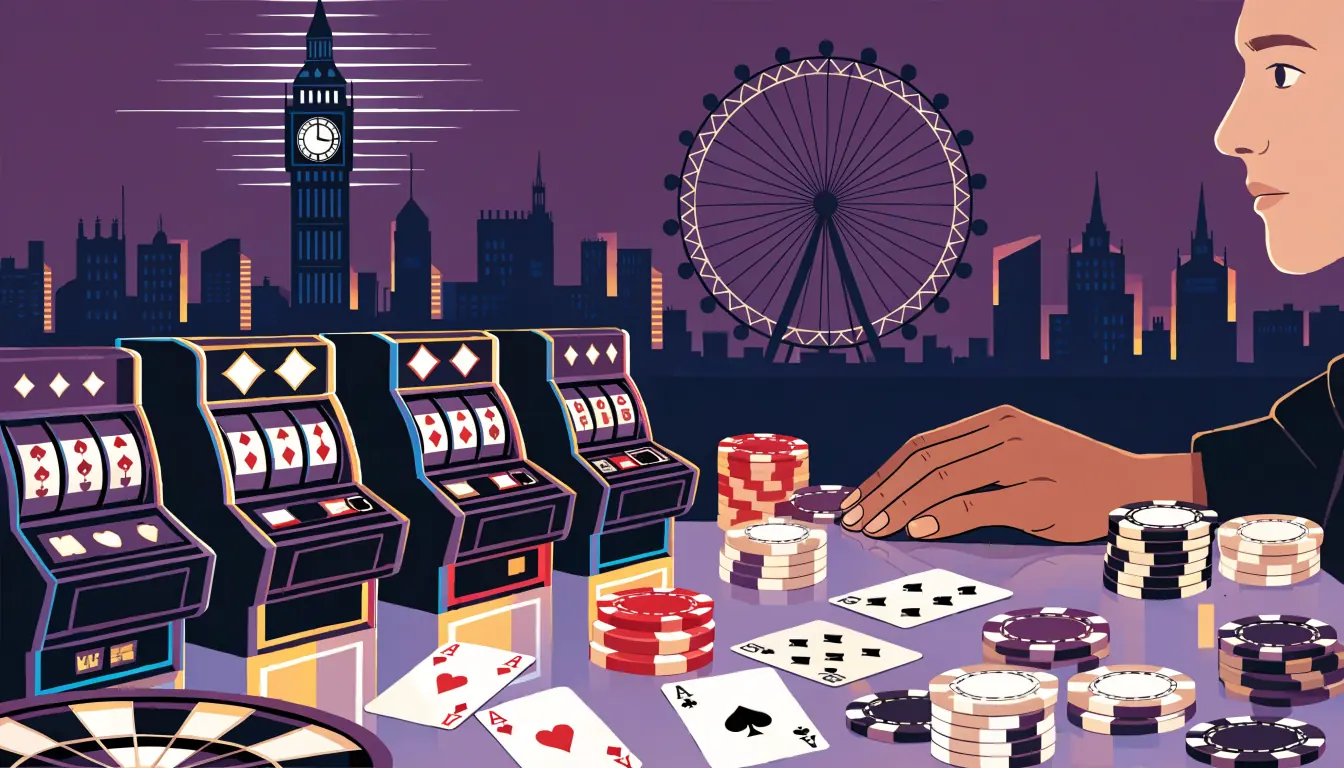
The live section is often the first useful place to explore. It gathers games presented in real time, but that label alone may cover several kinds of play. A game-show title can be filed under “game shows”, “live shows” or a broader live-casino category; the wording belongs to the lobby, not to a universal classification. A casino with live game shows may therefore make the format visible as a distinct shelf, or leave it among a larger collection.
That difference matters. Browsing a broad catalogue can make the format seem smaller than it is, while a dedicated tile can make it appear to be a central feature. Neither placement says much by itself about the experience. It says something about the architecture of the site: how the operator divides its inventory and what distinctions it thinks are legible to its customers.
Search and filtering tools can help when the lobby is crowded. A search field may locate a title by name, while category filters narrow the display to live content. Those tools are only as useful as the labels and catalogue behind them. A search for a particular format may return nothing if the casino uses another term, or if its current selection does not include it. A blank result is not a verdict on the category; it is a small encounter with the limits of a menu.
On a phone, the same map may be compressed into tabs, icons or expandable panels. That changes the route through the lobby without changing the underlying distinction: live content is separated, grouped or folded into a wider collection. The design can encourage a quick glance or a longer browse, but it cannot establish that one casino offers a better selection than another. For that, the catalogue itself would need to be examined, rather than inferred from its signposts.

People looking for online casinos with live game shows in the UK are consequently dealing with two questions at once: whether a casino carries the format, and where it has placed it. The first concerns availability; the second concerns navigation. A lobby’s headings, filters and search function provide clues, not guarantees, because menus can change and category names are not standardised.
This is a modest kind of discovery. The lobby does not explain the history or meaning of the format; it simply puts a doorway somewhere on the screen. Sometimes clearly. Sometimes not.
How Distinctive Live-Show Formats Shape Play
A high-energy casino show borrows the grammar of television: a presenter, a visible set, a rising sense of anticipation and moments arranged to feel like events. That grammar changes the texture of play. Instead of facing a quiet interface that simply records a choice, a player encounters a performance with a rhythm of its own.
The attraction is partly social, even when participation happens alone. A host’s commentary and the reactions of others can make a round feel shared, while visual cues give attention somewhere to settle between decisions. The room becomes a small audience, assembled around an outcome that is still uncertain. It is television’s old bargain in miniature: suspense is stretched, then released.
Distinctive formats often lean into contrast. Calm explanation may give way to a burst of music or colour; a familiar casino convention may be presented with the framing of a studio segment. A wheel, a choice between possible features or a theatrical reveal can make the sequence easier to follow as entertainment. The staging supplies a story shape, even when the underlying activity remains gambling.
Showmanship and high-energy presentation can make intervals feel charged, but they do not make the outcome of a game more predictable.
That story shape can also influence pace. A lively presentation encourages attention to move with the show, rather than linger over each individual decision. Some players may find that engaging; others may find the noise and movement tiring. Neither response says much about the chance of a result. Showmanship can make an interval feel charged, but it cannot make an outcome more predictable.
There is a useful distinction between excitement and control. A format may invite anticipation through its language, graphics and timing, yet those devices belong to presentation. They do not turn uncertain results into a skill test or a promise. The distinction matters because television has trained audiences to read suspense as a prelude to resolution. In a casino setting, resolution arrives, but it does not necessarily reward the expectation that gathered around it.
The strongest formats understand that spectacle needs room to breathe. If every moment is treated as a climax, none of them can hold one. A more varied rhythm gives the audience time to understand what is happening, then lets a reveal carry weight. The appeal, when it works, is not simply loudness; it is the feeling that play has been organised into a watchable occasion.
That can make an exuberant live show feel unlike a conventional casino table, without changing the basic fact that money is being wagered. The set may be playful, the host warm, the pacing brisk. The stakes remain real. A bright frame, not a different bargain.
The Appeal of Live Game Shows in UK Casinos
The appeal of live game shows in UK casinos is not simply that gambling has acquired a brighter set. It is that the format borrows a social language already familiar from television: a presenter addresses a room, suspense is made visible, and an outcome arrives as a small public event. The casino remains on a private screen, but the staging suggests company.
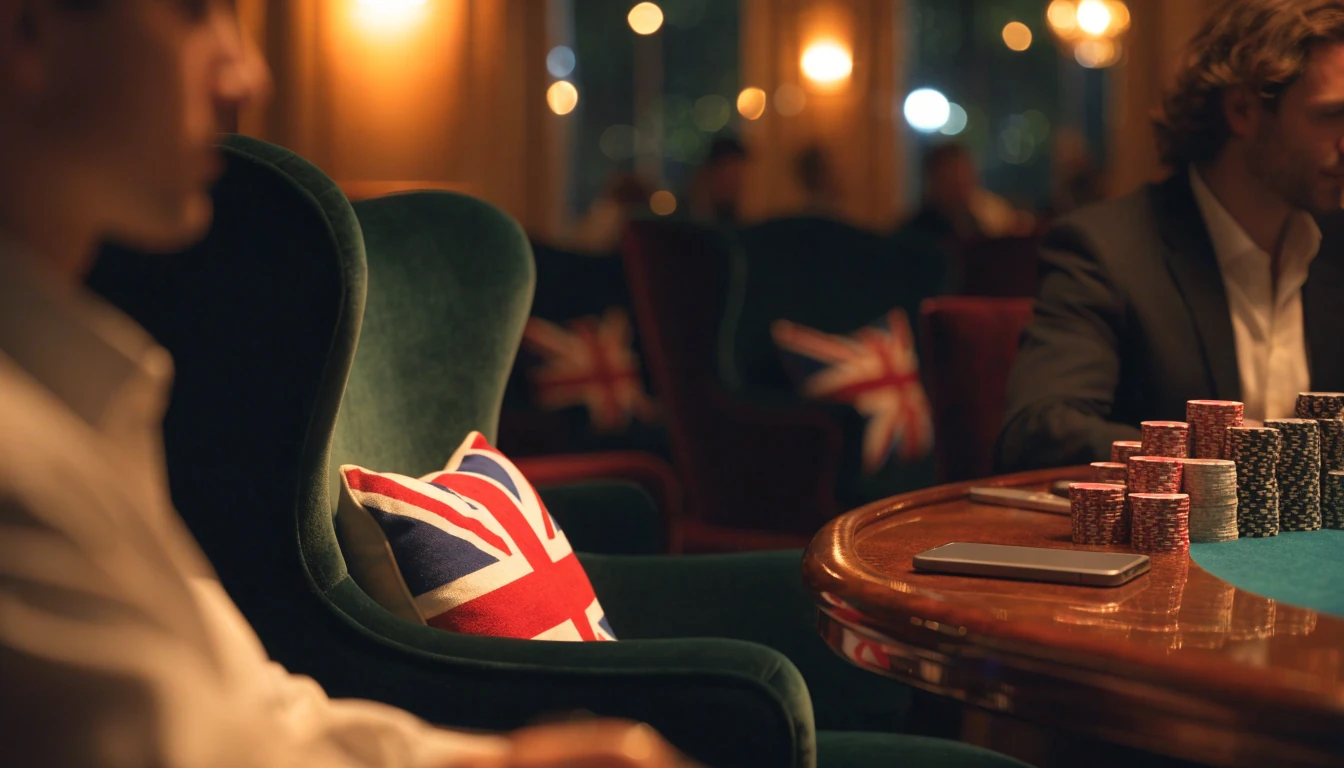
That distinction matters. A conventional game can keep its attention on rules, symbols and the next decision. A game-show presentation gives the interval around a result its own shape. There is an entrance, a pause, a reveal. The viewer is invited to follow the occasion as well as the wager. It is entertainment built around anticipation, an old television trick with a new address.
British television has long made a civic virtue of gathering strangers around a shared spectacle. Quiz programmes, talent contests and studio competitions turn suspense into something that can be discussed over breakfast or in a pub, even by people who never entered the studio. Online casino shows borrow some of that grammar, though the setting is more private and the stakes belong to the participant. The resemblance is cultural, not identical.
There is also a particular neatness to the combination. Casinos have traditionally offered an atmosphere of ceremony: tables, dealers, signals, and rules understood by those who know them. A game-show setting replaces some of that formality with a more openly theatrical mood. It makes the casino feel less like a room governed by specialist habits and more like a programme with a beginning and an end. Familiarity can lower the social barrier; it does not change the nature of gambling.
That is where the attraction and the caution sit together. Performance can make a game feel less solitary, but a screen cannot supply the mutual restraint of actual company. A lively presentation may hold attention, and sustained attention can make time pass unobtrusively. The show’s energy is part of its design, not evidence that the underlying activity has become harmless or communal in any deeper sense.
For a UK audience, the format also fits a broader habit of consuming entertainment in fragments. A programme can be entered midway through, watched briefly, then left behind; the casino lobby gives that kind of browsing a convenient setting. The appeal is not necessarily loyalty to one title. It may be the prospect of choosing between different moods: quiet concentration, theatrical suspense, or a little of both.

None of this establishes a single best live game show for every taste. “Best” may mean a polished performance to one person and an uncomplicated pace to another. The category’s cultural pull lies elsewhere: it takes an activity often imagined as solitary and dresses it in the signs of shared viewing. The room is still a screen. The audience, however, is easy to imagine.
What Sets a Live Casino Game Show Apart
A live casino game show occupies an unusual border: it borrows the outward grammar of television entertainment while remaining part of casino play. Its identity is therefore not defined by a particular set of rules or a guaranteed kind of excitement. It lies in the way play is framed. A presenter, a visible sequence of events and a sense of occasion can make the activity feel less like a solitary screen task and more like a small broadcast in progress.
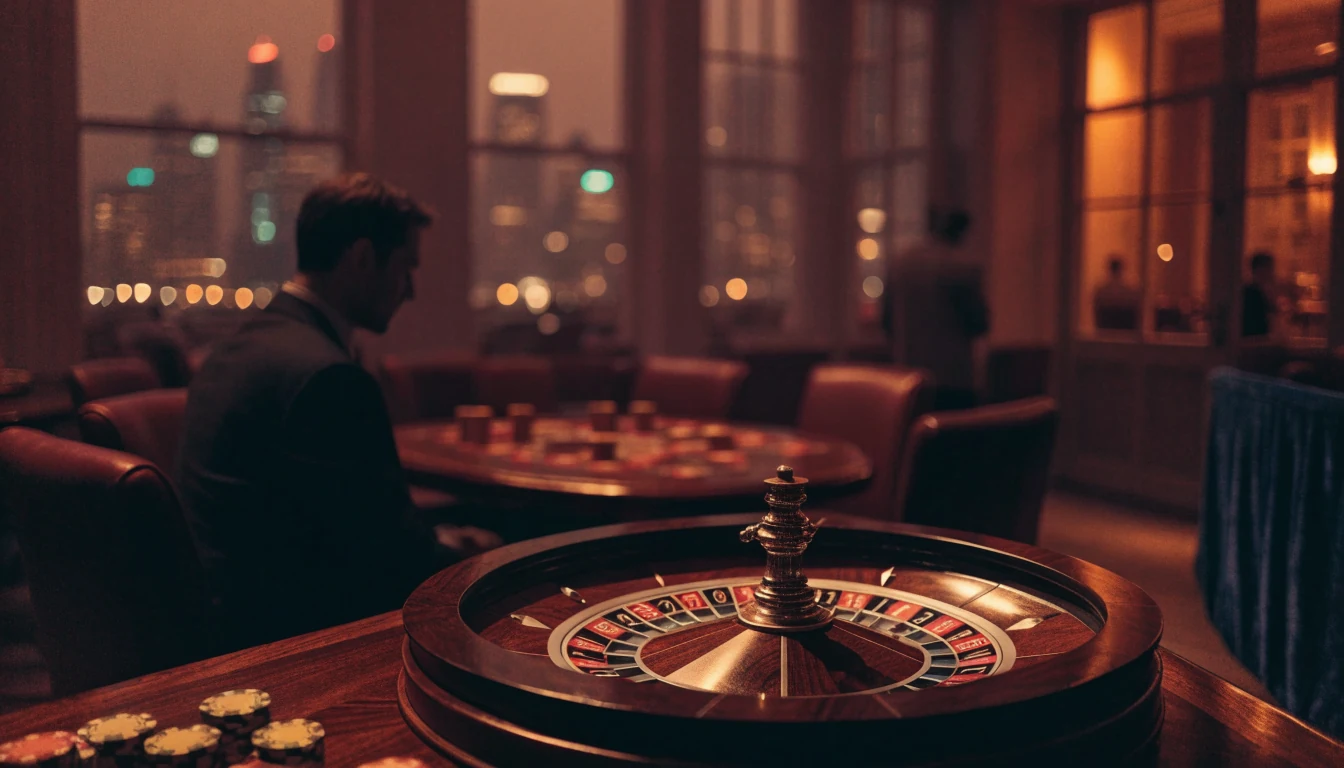
That distinction matters because “live” is not merely a claim about transmission. It suggests that events are unfolding in real time, rather than being generated as a self-contained animation. The show format gives those events a public shape: there is an opening, a focal moment and some form of resolution. The casino element, meanwhile, keeps chance and stakes at the centre. Neither side entirely disappears into the other. Television, but with consequences.
The format also changes what counts as attention. In a conventional casino game, a player may focus closely on symbols, cards or a sequence of decisions. A game-show presentation can direct attention towards the host’s delivery, the pace of a round and the spectacle around its outcome. That does not make the underlying activity less dependent on chance; it changes the atmosphere in which chance is encountered. The performance supplies a frame, not a promise.
This is why searches for the best live casino game shows can conceal several different judgements. One person may value a clear presentation; another, a lively pace or a more theatrical mood. Those preferences describe the character of a show, not proof that one format produces better outcomes. Entertainment and probability occupy adjoining rooms. They are not the same room.
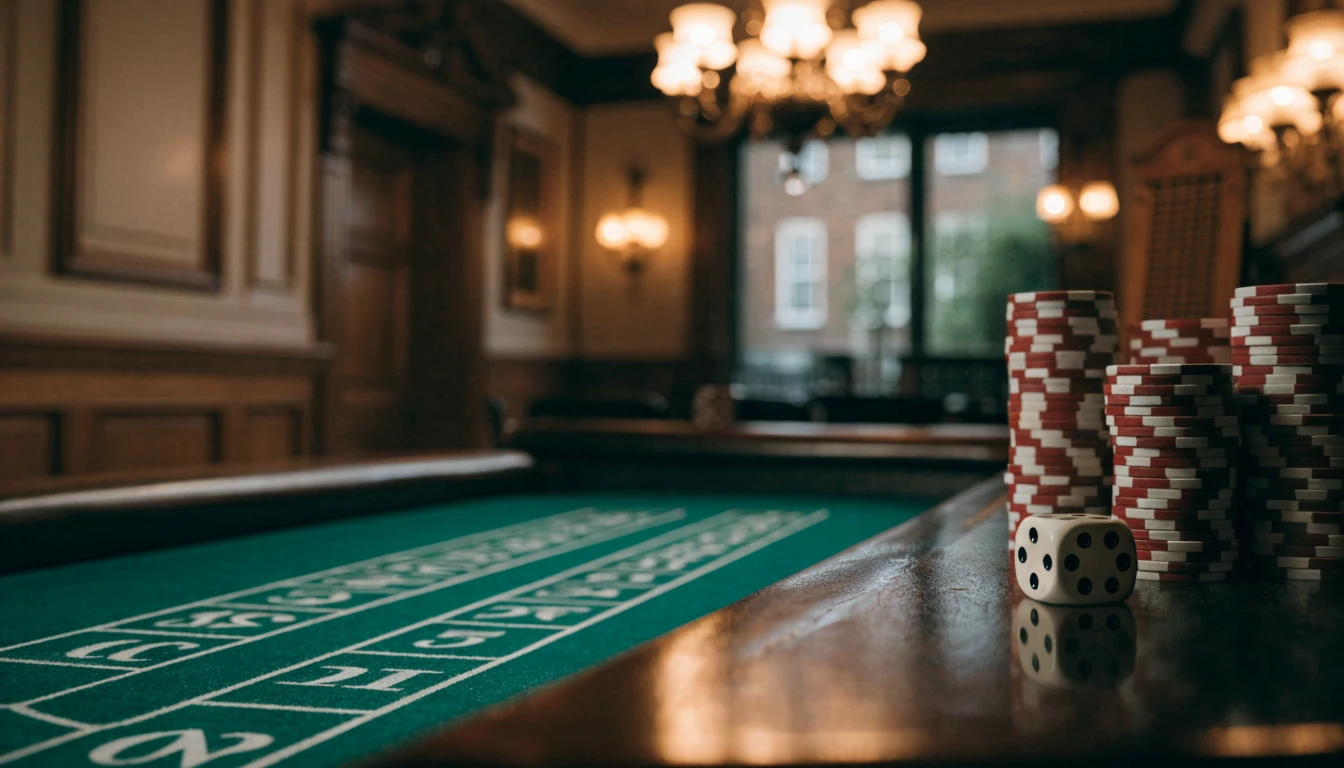
The live element can also make time more noticeable. A round has a beginning and an end, and the interval between them is part of the experience. That differs from the sense of uninterrupted repetition found in some casino play. Yet the distinction is one of presentation, not a guarantee of social contact or control over events. A screen can feel communal without making the activity a conversation.
At its most distinctive, the game show turns casino play into something watched as well as played: a staged event whose presentation gives chance a visible rhythm. The stage is real enough. The outcome remains uncertain.
The Live Game-Show Casino Experience
A live game-show casino is less a room of silent machines than a venue arranged around a shared event. Its defining impression is social, even when each person is watching alone: attention gathers around a presenter, a visible sequence of play and the possibility of a result unfolding in real time. The screen becomes a small public stage, with the casino supplying the setting and the game show supplying its occasion.
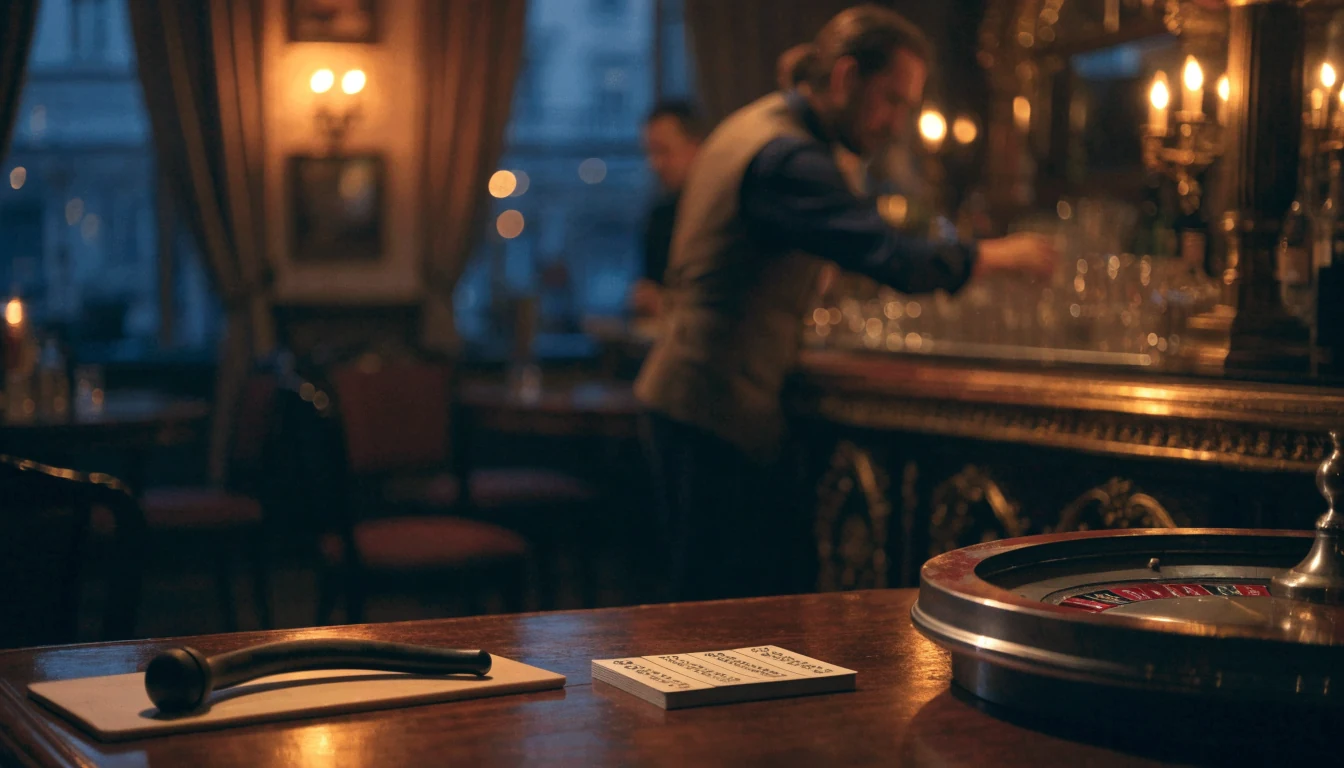
That arrangement changes the feeling of being in a casino. A conventional game can be approached as a private routine, repeated at an individual pace. A show format places play inside a performance, giving it a beginning, a middle and an ending that can be watched as well as acted upon. The distinction is not merely decorative. Presentation directs attention; anticipation becomes part of the product.
The attraction lies partly in this borrowed civic ritual. People have long gathered around contests and broadcasts because a shared event makes waiting feel less solitary. Online, the gathering is dispersed, but the format still gestures towards an audience. Each participant occupies a private space while following the same visible occasion. A curious little contradiction.
A casino built around live game-show play therefore suggests a particular mood rather than a single kind of game: less anonymous repetition, more ceremony; less solitary concentration, more awareness of others watching. That mood does not erase the casino’s underlying purpose. It dresses chance in the familiar language of entertainment, where a host can make suspense legible and a result can feel like a moment rather than a number.
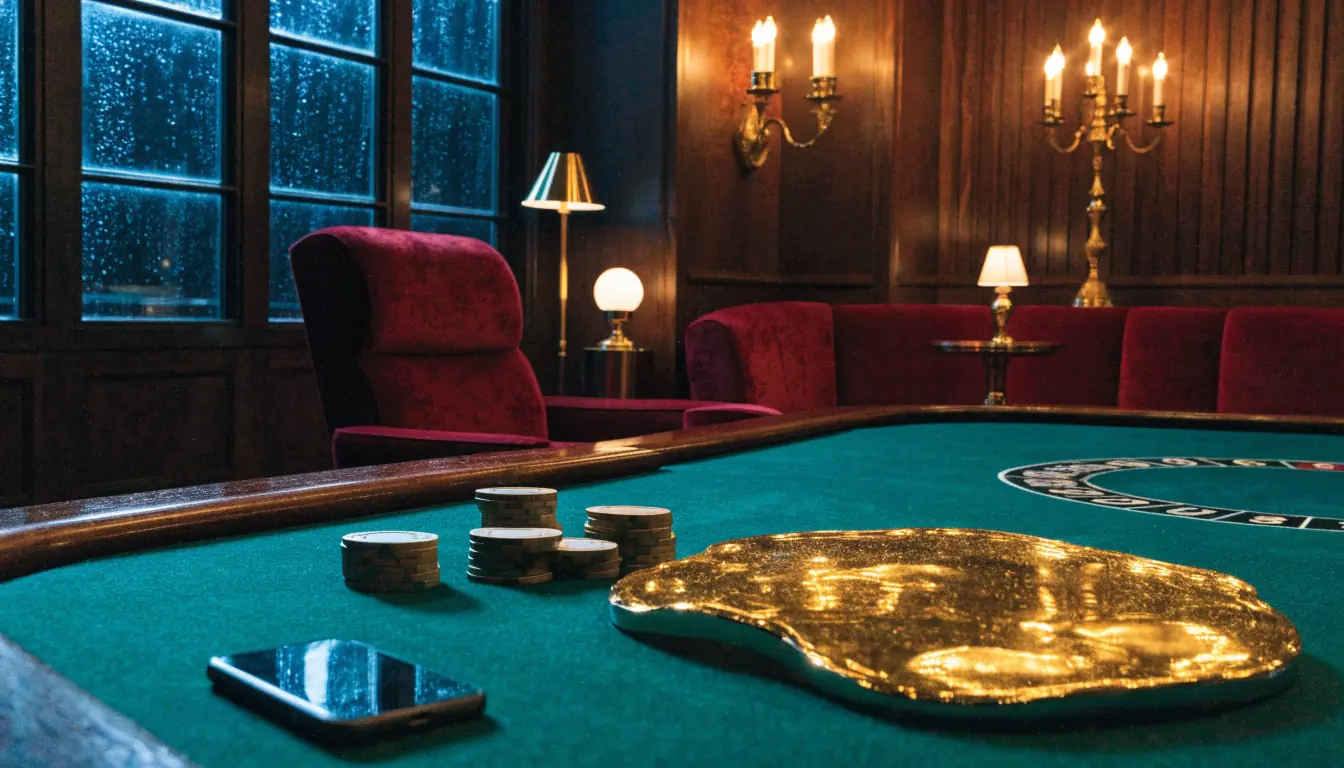
The experience is shaped by this setting, not by any promise that the show will be more rewarding. Its appeal is the sense of being present for something staged to be seen, even from a distance.
Game Shows as Online Casino Entertainment
Online casinos bring several kinds of leisure into one digital setting. A game-show title belongs to that larger arrangement: it sits alongside other casino entertainment, not in a separate world simply because its presentation borrows from television. The familiar language of a show can make gambling feel less like an isolated transaction and more like an event, though the setting remains a casino.
That distinction matters. Entertainment gives gambling its atmosphere, but it does not change what is at stake. A lively screen may invite attention; it cannot make chance into a promise or turn a wager into something other than a wager. The online setting places these impressions close together, sometimes uncomfortably so.
There is also a small cultural migration at work. Television game shows traditionally gathered people around a shared schedule and a common screen. Online casino entertainment relocates that vocabulary to a private device, where participation is available on demand and the audience may be no larger than one. The social ritual becomes individual, even when the visual style suggests a crowd.
This is part of why casino game shows online can be understood as a category of entertainment rather than merely a collection of rules. Their appeal lies partly in how casino activity is framed: as a spectacle, a diversion, a recognisable form of popular culture. Yet the framing should not obscure the commercial purpose beneath it. A casino remains a place where gambling is offered, whether its surroundings resemble a studio, a game room or something more restrained.
The screen changes the setting. It does not erase the boundary between amusement and gambling. That boundary is easy to overlook when entertainment is doing its work well.
Are Amatic games licensed and legal to play in the UK?
Yes. Amatic Industries holds a UK Gambling Software (Remote) licence, and its games are offered through UKGC-licensed casino operators; the operator handles deposits, payouts and customer support.
What is the maximum I can stake on Amatic slots in the UK?
The maximum is £5 per game cycle for players aged 25 and over, or £2 per game cycle for players aged 18 to 24.
Do Amatic casinos work on mobile phones and tablets?
Amatic games are generally played in a mobile browser as HTML5 games, without a download. They are supplied through casino operators rather than Amatic-run consumer casinos.
Can Amatic slots be played on a mobile phone in the UK?
Yes. Amatic games are generally available as HTML5 games in a mobile browser, with no download required.
Can I deposit with cryptocurrency at a site offering Amatic slots?
No UKGC-licensed operator was confirmed as accepting cryptocurrency for Amatic play. Offshore sites offering Amatic games operate outside the UK regulatory framework.
Written by the editors at Rainbow Riches Casino 3.