Live Roulette UK with English-Speaking Dealers
 Available in GB
A practical guide to physical wheel spins, table options and the rules that shape live roulette play.
Table of Contents
- How Live Roulette Puts the Wheel on Camera
- Roulette Tables, Dealers and the Details That Matter
- What a Live Roulette Site Actually Offers
- Comparing Roulette Casinos Without a Winners’ List
- Roulette Variants: One Zero, Two Zeros and Different Stakes
- Playing for Real Money at a Live Table
- Free Roulette: Practice Without a Payout
- Roulette Bonuses and the Small Print at Live Tables
- Winning at Roulette: What the House Edge Allows
- Lightning Roulette and the Limits of Spin Tracking
How Live Roulette Puts the Wheel on Camera
In live dealer roulette, the wheel is not an animation standing in for a casino. A human dealer spins a physical wheel, while a camera carries the action from a studio to the player’s screen in real time. Bets are made through an on-screen interface. The arrangement joins two kinds of activity: a person handles the game in one place, and participants make selections from elsewhere.
That distinction can seem small on a bright screen. It is not. In computerized roulette, a Random Number Generator determines the result; the wheel and ball may be represented graphically, but no dealer is spinning a physical wheel to produce that particular outcome. Live dealer roulette puts the physical event at the centre. The image is a record of a real spin, not a picture generated to illustrate a calculation.
The stream and the betting interface occupy the same screen, but they do different jobs. The video shows the dealer and wheel; the interface gives players a way to place their bets. A click or tap is not a gesture made at the studio table. It is an instruction sent through the digital part of the game. The wheel remains there, turning under the dealer’s hand; the player’s choices arrive by another route.
When choosing a UK live roulette site with English-speaking dealers, check the available table details before you play. Payout speed is one practical factor to consider alongside dealer language.
Payout speed: 1-3 business days Revery Play lists a payout speed of 1–3 business days.
Payout speed: 1-3 business days Chanze lists a payout speed of 1–3 business days.
Payout speed: 1-3 business days Amunbet lists a payout speed of 1–3 business days.
Payout speed: 1-3 business days SpinFormula lists a payout speed of 1–3 business days.
Payout speed: 1-3 business days NightLuck lists a payout speed of 1–3 business days.
Payout speed: 1-3 business days Zombillion lists a payout speed of 1–3 business days.
Payout speed: 1-3 business days BeOnBet lists a payout speed of 1–3 business days.
Payout speed: 1-3 business days EvoSpin lists a payout speed of 1–3 business days.
Payout speed: 1-3 business days Jetsetspins lists a payout speed of 1–3 business days.
Payout speed: 1-3 business days NightWin lists a payout speed of 1–3 business days.
This is the peculiar social geography of online casino roulette. A game associated with a shared table is divided between a physical studio and scattered screens. The dealer’s work is visible, while the players are generally present to one another only as part of the online experience. The screen does not abolish the distance. It makes the distance usable.
There is a modest theatrical quality to that separation. The dealer performs actions in a room that the player cannot enter, and the stream gives those actions a common point of attention. The physical wheel lends the game a visible centre; the interface makes participation possible without placing every participant around it. The result is neither quite a casino floor nor simply a piece of software. It is a broadcast with a betting mechanism attached.
The word “live” refers to the real-time stream, not to a promise that every part of the experience resembles a visit to a physical casino. The dealer spins; the game is shown as it happens; the player places bets on screen. Those are the defining pieces. The technology connects them, but does not make them identical. A video feed can show a physical wheel, while the controls remain unmistakably digital.
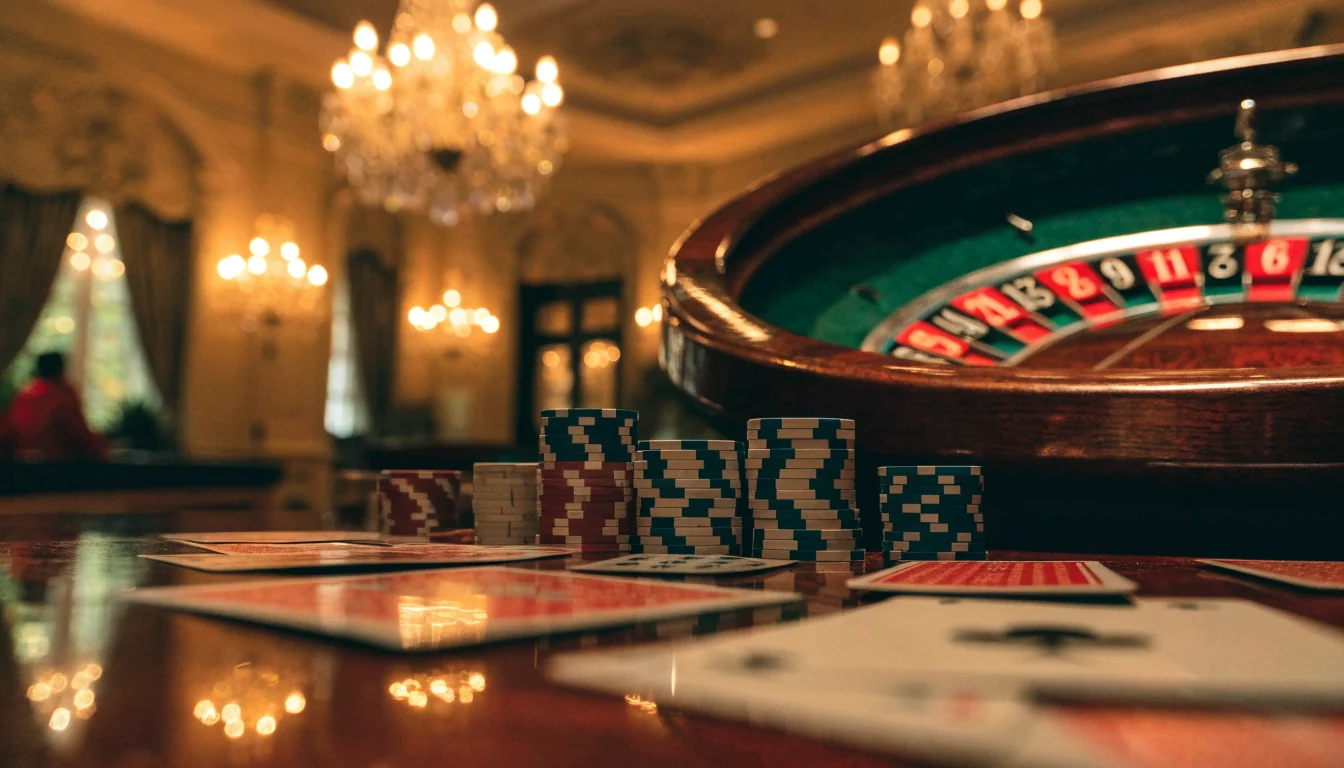

That split also explains why the live format feels different from a computerized version before any question of rules or stakes enters the picture. In computerized roulette, the result comes from the RNG and is presented through software. In live dealer roulette, the result follows a physical spin shown on camera. One format foregrounds a generated outcome; the other makes the wheel, dealer and broadcast part of the event.
For a roulette online casino in the UK, that difference is more than a visual theme. A moving wheel and a human dealer are not decorative additions to the same computerized process. They describe a different method of presenting the game. The screen still mediates participation, but what it shows is a studio game unfolding in real time.
This can make the experience feel more legible: the spin is seen rather than rendered as an abstract result. Yet visibility should not be confused with control. Watching a dealer release the ball does not give players influence over where it lands, just as the interface does not turn a selection into a physical action at the wheel. The stream offers observation; the buttons and betting area offer participation. Neither changes the chance event.
The familiar image of roulette has long depended on a table, a wheel and people gathered around both. Online, the gathering is dispersed, and the camera does some of the social work once done by proximity. It keeps attention on the same event, even when the people watching are elsewhere. A studio becomes a shared room by transmission, though not a shared room in every other sense.
Legal Framework
In Britain, online gambling is legal provided the operator holds the relevant UK Gambling Commission licence.
In Britain, online gambling is legal when offered by an operator holding the relevant UK Gambling Commission licence. That legal frame concerns who may provide the service; it does not alter the basic mechanics of the live format. A licensed online casino can bring the studio to a screen, but the wheel still turns in the studio and the bets still pass through the interface.
The live format is therefore best understood as a meeting of physical procedure and digital access. A dealer operates the wheel; a camera relays the spin; an interface receives the bets. Computerized roulette replaces that physical spin with an RNG. The difference is plain, even if the screen makes both look equally close at hand.
This is entertainment, not gambling advice. The wheel is visible. The outcome remains uncertain.
Roulette Tables, Dealers and the Details That Matter
A live roulette table is not judged by its camera alone. The useful details sit around the wheel: the rules attached to the game, the paytable, the minimum stake and the way the stream fits around the betting interface. These determine whether a table is understandable before a bet is placed, rather than merely attractive in motion.
The rules deserve a proper read, not a glance at a familiar-looking layout. Roulette tables can present different versions of the game, and a green pocket or a named bet may carry consequences that are easy to miss when attention is on the dealer. The table’s rules should explain what happens to each type of wager, including the treatment of bets when the ball lands on zero. A recognised game name is not a substitute for its terms.


The paytable is the practical companion to those rules. It should make clear what a winning selection returns and how the table handles the bets available on its layout. If a payout is described only through abbreviated labels or unexplained symbols, the apparent simplicity of the wheel becomes less useful. The same applies where a table’s rules and its displayed paytable seem to say different things: the difference needs resolving before play, not after a result.
There is a small social history in the paytable. Roulette turns uncertainty into a tidy set of boxes, each with a stated consequence; the house’s advantage is built into that arrangement, not into a dealer’s manner or a dramatic turn of the wheel. A clear display does not make a wager favourable. It does make the terms visible.
The dealer matters in a more practical sense. A live table has a rhythm: bets are entered, the betting window closes, the spin takes place, and the result is recorded. The slower pace of live games compared with digital versions gives the sequence a human cadence, but it also means that a session does not move at the speed of a rapid automated game. A dealer who is easy to follow and a camera view that keeps the relevant action legible help make that rhythm intelligible. The spectacle is secondary. Clarity is not.
Assessing a Live Table
- Read the table rules and identify the game version
- Check the paytable for payout values
- Verify the minimum stake fits your budget
- Ensure a stable internet connection for the stream
- Confirm the betting interface corresponds to the layout
The interface should be assessed alongside the stream. Bet positions need to correspond plainly to the table layout; chip values and selected wagers should remain visible; and the point at which betting is no longer accepted should be unmistakable. If the image and the betting controls feel out of step, the table becomes harder to follow. A stable internet connection is essential to a streamed game, since interruptions can break the link between what is seen and what the interface allows.
Minimum stakes are another condition, not a detail to discover after settling in. Live games have higher minimum bets than digital versions, so a table that looks appealing may not suit the intended scale of play. The figure should be visible before joining, and it should be considered alongside the pace: a slower game can make each decision feel more deliberate, but does not change the cost of a wager.
A careful look at these elements is more useful than judging a live roulette table by its set or its dealer’s patter. Rules, paytable, readable controls, a workable connection and a suitable minimum stake form the real terms of the encounter. The wheel can wait.
What a Live Roulette Site Actually Offers
A live roulette page offers a different kind of presence from a digital roulette game. The distinction is not simply visual. In computerized roulette, a Random Number Generator determines the result; at a live table, a dealer spins a physical wheel. The screen therefore shows an event taking place, rather than a software-generated result dressed in casino imagery.

That change gives the game a human centre. The wheel, the dealer’s movements and the moment when the ball settles become part of the experience. The interface still matters: it is where bets are entered and the game is followed. But the screen has two jobs at once, carrying both the table’s activity and the player’s choices. It is a small piece of theatre with a practical control panel attached.
For people looking at live roulette casino sites in the UK, the attraction can lie in that visible continuity. A spin is not represented by an animation alone; the physical wheel supplies the scene. The result arrives at the pace of the table, with the dealer’s handling of each round setting a rhythm that software can imitate but does not literally perform. There is a human presence, though not a private conversation or a guarantee of personal attention.
This is also where live play differs from the idea of a casino as a collection of interchangeable buttons. A digital game can move rapidly from one result to another. Live games proceed more slowly, because a real wheel and a real dealer are involved. The pause is part of the format, not a technical fault. It can make each round feel more legible, while making a session less suited to anyone expecting a fast sequence of outcomes.
Attention: Live tables often carry higher minimum bets than digital versions and require a stable internet connection to function properly.
The stream and interface depend on a stable internet connection. If the picture stutters or the connection drops, the central appeal of a live table—the ability to follow the physical game as it unfolds—weakens. This dependence is easy to overlook when a page is judged only by its appearance. A polished table image is of little use if the stream cannot keep pace with the action.
Live tables also tend to carry higher minimum bets than digital versions. That difference changes the character of the page before a spin begins: the live format may ask for more commitment per round in exchange for the physical table experience. It is not a universal price tag, and the presence of a live stream does not itself make a table suitable for every budget. The interface can make participation look effortless; the terms of play remain less decorative.
The language of “best” live roulette sites often suggests that a single page can satisfy everyone. In practice, the appeal is more particular. Some value the sight of a dealer and wheel; others prefer the quicker pace of computerized play. A live page offers atmosphere and a visible human procedure, but also brings slower rounds, an internet dependency and higher minimum stakes. None of those features is a hidden upgrade. They are the format.
There is a modest social history in that preference. The casino table has long made chance into a public performance: people gather around a wheel whose outcome belongs to nobody until it lands. An online stream carries that arrangement into a private room, preserving the dealer and the spectacle while removing the crowd. The result is intimate, but not quite solitary.

A table on camera. A wheel in motion. A screen between them.
Comparing Roulette Casinos Without a Winners’ List
A comparison of roulette casinos is more useful when it starts with what can be checked, rather than a promise that one name is best. The same game can feel quite different from one table to another: the pace may leave more or less room to consider a bet, while the minimum stake determines whether the table fits a modest session. Neither point is a verdict on an operator. Together, they make a more practical basis for comparison than a league table built on vague praise.
Rules and the paytable deserve close attention before any table is treated as a match. The displayed information should make clear what bets are available and what each pays; if that is difficult to establish, comparison becomes guesswork. A table’s stated minimum stake should also be considered alongside the intended budget, not in isolation. A low entry point is not a reason to play, and a higher one does not make a game better. It simply changes the cost of taking part.
Live play also has a different tempo from a digital roulette game. A dealer runs the physical game on camera, and the interval between bets and the result is less compressed than in a computerised version. That can suit a session where the visible dealing is part of the appeal, but it may feel slow to someone expecting quick succession. The internet connection matters too: streamed play depends on a stable connection, so a table that looks suitable on paper may be a poor fit where the connection is unreliable. Pace is part of the price.
- Verify the operator’s UK Gambling Commission licence
- Check current table stakes against your budget
- Review specific rules and paytables before playing
- Rely on general market reports for specific table limits
- Use polished presentation as a substitute for licensing
- Treat past results as a guide for future spins
Minimum stakes need similar care. Live games tend to have higher minimum bets than digital versions, but the figure displayed at a particular table is more useful than a general impression. A specialist review has reported live roulette and baccarat starting points around 20p; that is a reported example, not a guarantee that every table offers the same entry point. Starting limits can differ, and a comparison should use the current table information rather than treat one report as a market-wide promise. Small print, literally.
The setting also matters in a distinctly British way. Real-money casino operators serving Great Britain must hold the relevant Gambling Commission licence, so licence status belongs among the basic checks when comparing legal options. This is not a badge that makes one roulette table more favourable than another; it establishes whether the operator is within the local regulatory system. A shortlist can therefore separate regulatory eligibility from playing preferences, instead of allowing polished presentation to stand in for both.
A considered comparison can be reduced to a few questions:
- Are the table rules and paytable easy to find and understand?
- Does the minimum stake fit the budget set for the session?
- Is the pace suitable, given that live play moves more slowly than digital roulette?
- Can the internet connection sustain a real-time stream?
- Is the operator licensed to serve the British market?
The answers do not produce a universal winner. They describe a better fit for a particular session, and that distinction matters in a game where presentation can seem more decisive than the terms beneath it. A sensible comparison ends before play begins: with a budget set and kept, and without treating a past result, an attractive interface or a confident ranking as a reason to exceed it. This is entertainment, not gambling advice.
Roulette Variants: One Zero, Two Zeros and Different Stakes
The green pocket is easy to overlook on a roulette layout. It is also the detail that separates the main wheel variants. European Roulette has a single green pocket, marked 0. American Roulette has two: 0 and 00. That extra pocket changes the chance attached to a single-number selection, even though the betting interface may make the two games look much the same.
On a European wheel, the stated chance of hitting a selected number is one in 37. On an American wheel, it is one in 38. The difference follows from the additional 00: there is another possible landing place that is neither the chosen number nor a winning result for that selection. The distinction is small in appearance and permanent in effect.
This is why the name of a roulette game matters more than its decorative treatment. A table dressed in bright colours or presented with a lively studio atmosphere still depends on its wheel’s pockets. Before play, the layout shows whether the green spaces are 0 alone or 0 and 00. The labels may sit among the betting positions, but they are not ornamental marks. They define the set of possible outcomes.
Features a single green pocket (0), providing a one in 37 chance for a single-number selection.
Includes two green pockets (0 and 00), resulting in a one in 38 chance for a single-number selection.
Includes a specific rule where even-money bets lose only half their stake if the ball lands on zero.
For someone comparing casino roulette games, European and American versions therefore offer a useful first distinction. European Roulette has fewer pockets and the more favourable stated chance for a chosen number. American Roulette includes the extra double-zero pocket. Neither description says anything about how often a particular number will appear in a short run; each spin remains a separate result. A run of reds or a recent 00 does not alter the structure of the wheel.
French Roulette adds a different feature, relevant to even-money bets when zero appears. Under the French Roulette rule described here, such a bet loses only half its stake if the ball lands on zero. The rule softens that particular outcome; it does not turn zero into a winning result for an even-money selection. Its practical significance lies in what happens at the moment the wheel settles on the green pocket.
The distinction is easy to miss because the familiar wager categories can appear across several roulette formats. A bet on one number and an even-money bet do not respond to zero in the same way under the French rule. The rule concerns the latter, and its effect is confined to that outcome. It is not a general reduction applied to every losing wager.
These details give the variants their substance. One green pocket or two changes the number of possible outcomes; a French rule changes how an even-money bet is treated when zero lands. The differences are not matters of table style, dealer manner or screen design. They are built into the game’s structure.

A roulette layout can be read as a compact record of those choices: the green pocket or pockets, the numbers available, and any stated rule attached to zero. In a UK casino roulette game, as elsewhere, those mechanics are more useful to understand than the title alone. European, American and French labels point to different conditions, not interchangeable names for a single arrangement.
A small pocket. A real difference.
Playing for Real Money at a Live Table
Real-money live roulette asks for a different sort of patience from its digital counterpart. A physical wheel and a dealer set the rhythm, so rounds move more slowly than in computerised games. That pace is part of the format, but it also means a session can feel less like a sequence of quick decisions and more like waiting for a room to settle before the next one begins.
The connection matters. Live games are streamed in real time, and an unstable internet link can interrupt the view or make participation difficult. A reliable connection is therefore a practical requirement, not a decorative extra. The stream also has to be allowed to run at its own pace: a live table cannot hurry the wheel along because a player is ready for another round.
Budget Limits
Set a strict budget before playing and stop once it is reached; never chase losses or attempt to recover money by continuing to play.
The cost of entry depends on the table. A specialist review has reported starting stakes of around 20p at many live roulette and baccarat tables, while blackjack tables often begin at higher limits. That is a reported snapshot, not a fixed tariff across the market. Minimums can differ from one table to another, so the figure is best treated as an indication of what one review encountered rather than a promise about every live casino.
A low minimum does not make a session costless. Stakes can accumulate over repeated rounds, and the slower rhythm does not necessarily mean a smaller total spend. A set budget, decided before play begins, gives the session a boundary; once reached, it should remain a boundary rather than become a reason to chase losses or extend play in pursuit of winnings. There is no useful arithmetic in trying to recover money by continuing.
For UK players, real-money online casino play is legal at sites holding the relevant UK Gambling Commission licence, and operators must verify a customer’s age before permitting a deposit. These conditions sit behind the table experience, even when the interface makes the casino appear to be only a stream and a betting panel. A regulated service is not a promise of profit; it is the legal framework for offering the game.
Anyone considering live roulette should account for the stake, the time a streamed game takes, and the need for a stable connection before starting. This is practical information, not gambling advice, and the game remains entertainment rather than a way to make money. The wheel keeps its own time.

Free Roulette: Practice Without a Payout
A free roulette game can resemble its paid counterpart closely enough to make the distinction easy to overlook. The wheel turns, a number is announced and the interface records a result. But without a real-money stake, a result is only a result inside the free game. It does not produce a cash balance or a withdrawable prize.
That boundary matters more than the word “practice”. Free play can provide a way to become familiar with the sequence of a game: selecting a bet, waiting for the spin and seeing where the ball lands. It cannot reproduce the financial consequence of a real-money result, because there is no real-money stake and no payout. Familiarity with the screen is not the same thing as experience of risk.
The distinction also limits what free roulette can demonstrate about a casino’s real-money tables. A free version may make the basic activity visible, but its presence alone says nothing about the rules, paytable or conditions of a separate live table. Those details belong to the table itself, not to the reassuring label attached to a free game.
Nor should free play be treated as a rehearsal that predicts what will happen later. Roulette results are individual outcomes; a sequence seen in a free game does not promise a matching sequence at a real-money table. A practice session may show how a game is arranged, but it cannot turn chance into a schedule.
There is a social reason these versions are appealing. Gambling has always sold more than the possibility of a return: it also offers ceremony, anticipation and a tidy little interval in which the next result seems to matter enormously. Free play preserves some of that theatre while removing the financial exchange. The lights remain on. The stakes do not.
Free Play
Free roulette games provide familiarity with the interface and sequence but do not produce cash balances or withdrawable prizes.
That makes free roulette a limited proposition, not a hidden route to winnings. A free casino game may be useful for seeing how its interface works, or for passing time, but it is not equivalent to playing for money. Any displayed outcome remains within the free-play environment; it should not be mistaken for funds that can be claimed.
The distinction applies whether the game is presented as a general roulette table or with a more elaborate theme. A title does not change the basic point: free play is not real-money play, and it does not pay real winnings. For a real-money game, the relevant terms are the ones attached to that game and table.
Free means no payout. A plain boundary.
This content is for entertainment purposes only and is not gambling advice.
Roulette Bonuses and the Small Print at Live Tables
A roulette welcome bonus can look more relevant than it is. A specialist review describes many UK welcome offers as free spins for slot games, which cannot be used at live tables. That distinction matters: a promotion may be available at a casino that also offers live dealer roulette without being usable on roulette itself. The word “casino” on an offer does not make every game eligible.
A no-deposit offer needs the same close reading. Its name does not establish that live roulette qualifies, or that any resulting bonus funds can be placed on a live table. The terms determine which games count, whether the offer applies to deposits or free spins, and what conditions must be met before funds can be withdrawn. An offer labelled for roulette may still exclude live games or treat them differently.

Wagering contribution is another quiet dividing line. Live games may count only for a small share of the required wagering; one stated example is a 10% weighting. In practical terms, eligible live play can move the requirement forward much more slowly than a game with full weighting. The displayed bonus figure, therefore, says little by itself about how accessible the offer is to a roulette player.
Before opting in, the relevant terms are the eligible game list, live-game weighting, wagering requirement and maximum bet limit. These conditions can work together: a low contribution rate and a restricted stake can make a promotion cumbersome even when roulette is technically included. If the wording is unclear about whether a live roulette table qualifies, the offer should not be treated as applicable.
There is also a difference between bonus money and cash already available to withdraw. Promotional funds may remain subject to conditions, while winnings from them may not become withdrawable until those conditions are satisfied. A no-deposit label does not remove that distinction.
The small print is the offer. A bonus can add little to a live roulette session if the game is excluded or contributes only modestly towards the requirement. Any decision to take part remains entertainment, not gambling advice; a set budget should remain separate from the temptation to pursue a promotion.
Bonus Terms
Welcome offers may be limited to slot games and excluded from live tables, and live games often have a lower wagering contribution (e.g., 10%).
Winning at Roulette: What the House Edge Allows
The question of how to win at roulette has no dependable answer in the form of a system. A bet can win, but no sequence of choices can make a future result certain. The house edge describes the mathematical advantage built into the game, not a prediction of what will happen in an individual spin.
The stated edge is 2.9% for a straight-up bet and 2.7% for other bets. The difference is narrow, but it is a difference in expected cost, not a promise that one choice will produce a better session. A straight-up bet names a single number; other bets cover different selections. Neither changes the fact that outcomes remain uncertain.
That distinction matters because gambling advice often dresses repetition as control. Raising a stake after a loss, changing it after a win, or following a fixed progression can alter how quickly money is put at risk. It cannot erase the house edge or guarantee a return. A staking pattern is not a key to the wheel.
Nor does a run of results provide a reliable map for the next spin. Past outcomes may look persuasive when arranged in a table, but they do not turn chance into a schedule. The temptation to read a pattern is understandable; the numbers on a screen are unusually good at looking like a story.
For anyone considering real-money play, a set budget is more useful than a promised method. It establishes a boundary before the uncertainty begins. If that limit is reached, stopping is the only way to prevent a session from exceeding it; chasing losses or trying to extend a winning run can put the boundary aside.
A sensible choice is therefore not a method for winning every time, but an understanding of the cost and uncertainty attached to each bet. No betting plan removes either. Roulette is entertainment, not gambling advice.

Lightning Roulette and the Limits of Spin Tracking
Lightning Roulette sits in a crowded corner of casino language, where a familiar wheel is given a more dramatic name and the word “Lightning” invites expectations of special rules. The name alone, however, does not establish how a particular version works or what it pays. Those details belong to the game’s own rules and paytable, not to assumptions gathered from its title.
The distinction matters because live roulette and slot games are different forms of play. In live roulette, a dealer spins a physical wheel and bets are placed through an on-screen interface. Calling a game a slot does not make it one. Nor does the word “Lightning” explain what happens during a spin. Specific mechanics should be treated as specific only when the table information sets them out.
Spin trackers have a more limited role. They can display past results, but a record of previous outcomes does not alter the next spin. The wheel does not acquire a memory because a screen has kept one. The same principle applies to Lightning Numbers: tracking earlier results does not affect which numbers appear in future spins.
That can be an uncomfortable feature of roulette, whose visible history encourages patterns to seem meaningful. A run of results may look like a message. It is still a record of what has already happened, not a forecast.
For a UK live casino offering, the sensible point of comparison is the information displayed for the game itself: its rules, paytable and the way bets are described. Remote gambling operators serving the British market must hold a UK Gambling Commission licence. Clear information matters; a striking label is not a substitute.
Probability remains indifferent to a tracker. The details of a named game, by contrast, require the table’s own explanation. A useful distinction.
Is the house edge the same at all live dealer casinos online?
No. In roulette, the house edge is 2.9% on straight-up bets and 2.7% on other bets.
What different types of roulette can you play with a live dealer?
Live roulette includes European, American and French versions. American roulette has both 0 and 00 pockets, while European roulette has a single 0; French roulette can halve the loss on an even-money bet when the ball lands on zero.
How do you choose a live dealer casino?
Choose a UK Gambling Commission-licensed operator, then check the table rules, paytable and minimum stake before playing. Live games also need a stable internet connection.
How do you play live roulette?
Place your bets using the on-screen interface, then watch the dealer spin a physical wheel in real time. You win if the ball lands on a number you selected.
Created by the ”Rainbow Riches Casino 3” editorial team.